Tashkent, Uzbekistan
E
x
p
l
o
r
e
&
S
w
i
p
e
*
E
x
p
l
o
r
e
&
S
w
i
p
e
*
E
x
p
l
o
r
e
&
S
w
i
p
e
Project Type
Cultural & Sport
Location
Tashkent, Uzbekistan
Year
2021
Project Service
Concept Project
Project Status
Concept Project
Total Construction Area (m²)
76237.00
Employer
Private
Project Overview
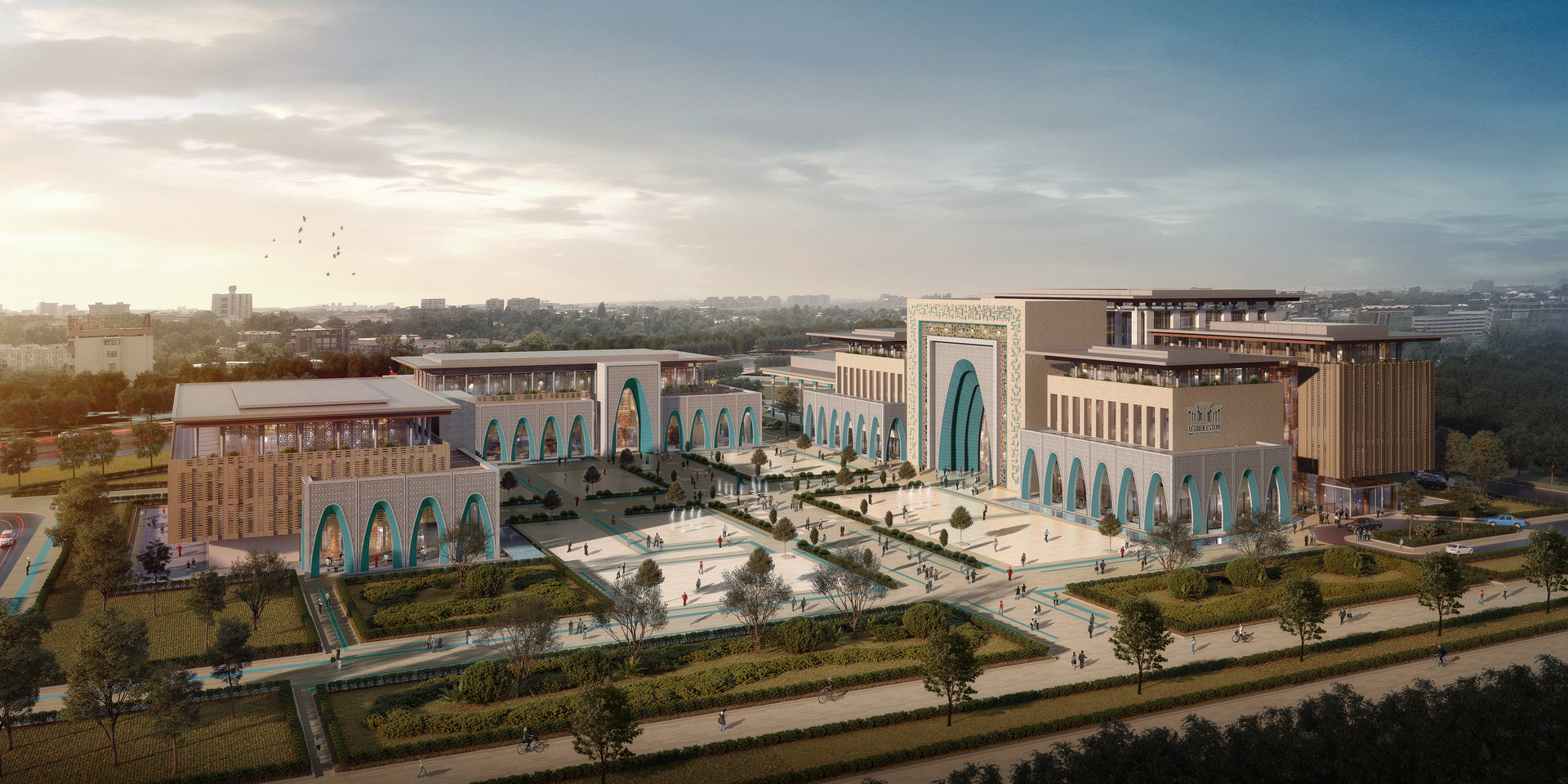
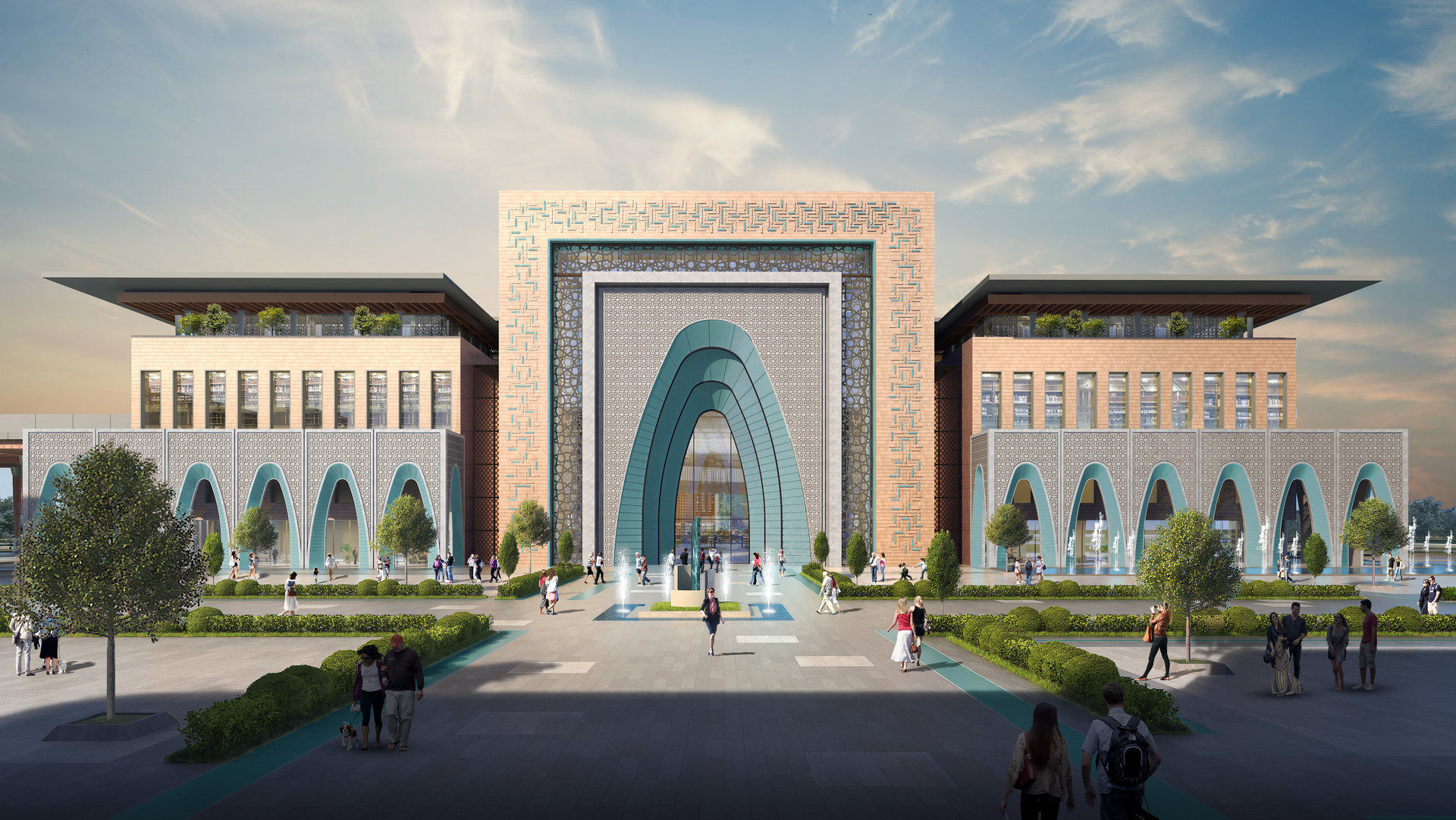
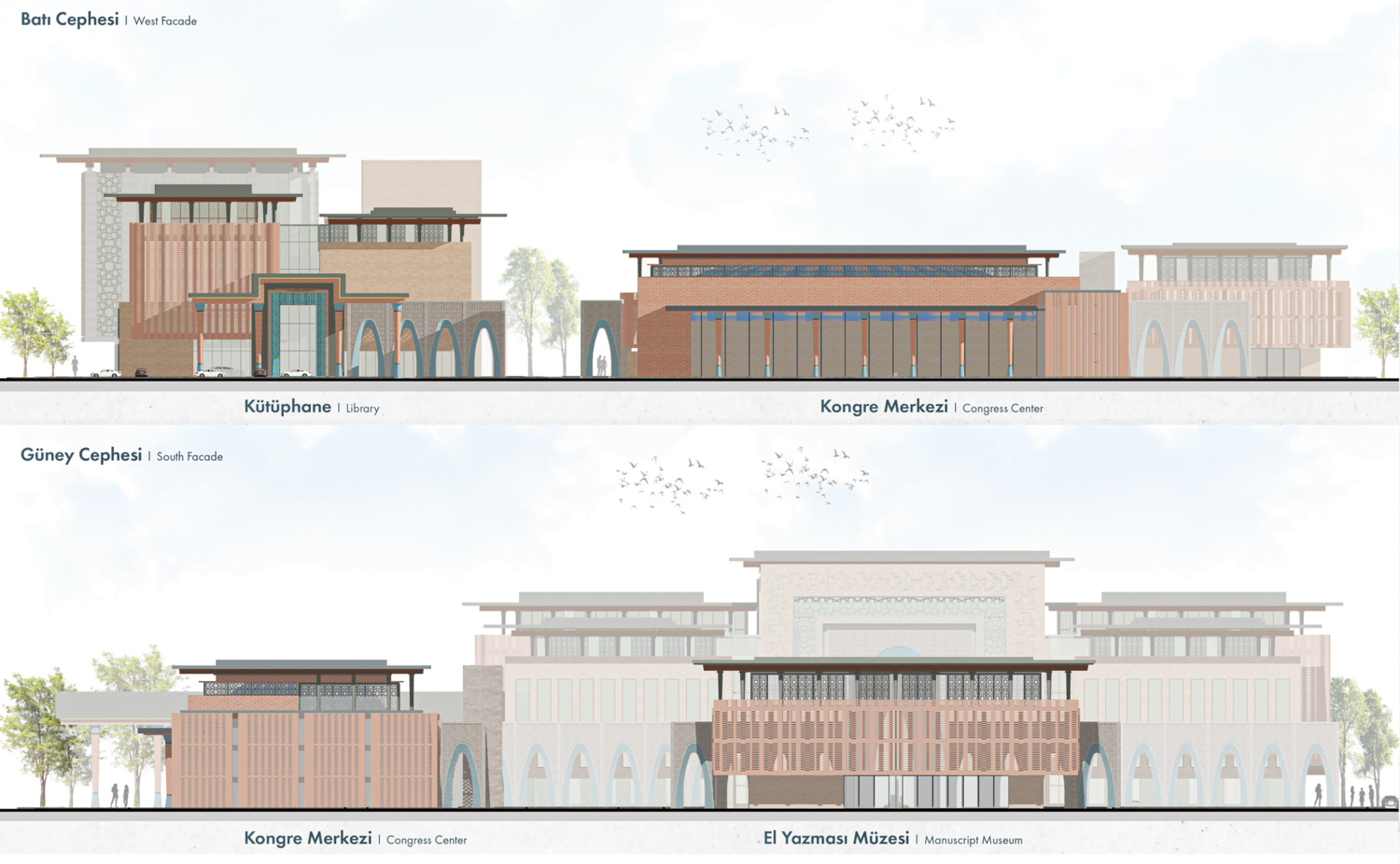
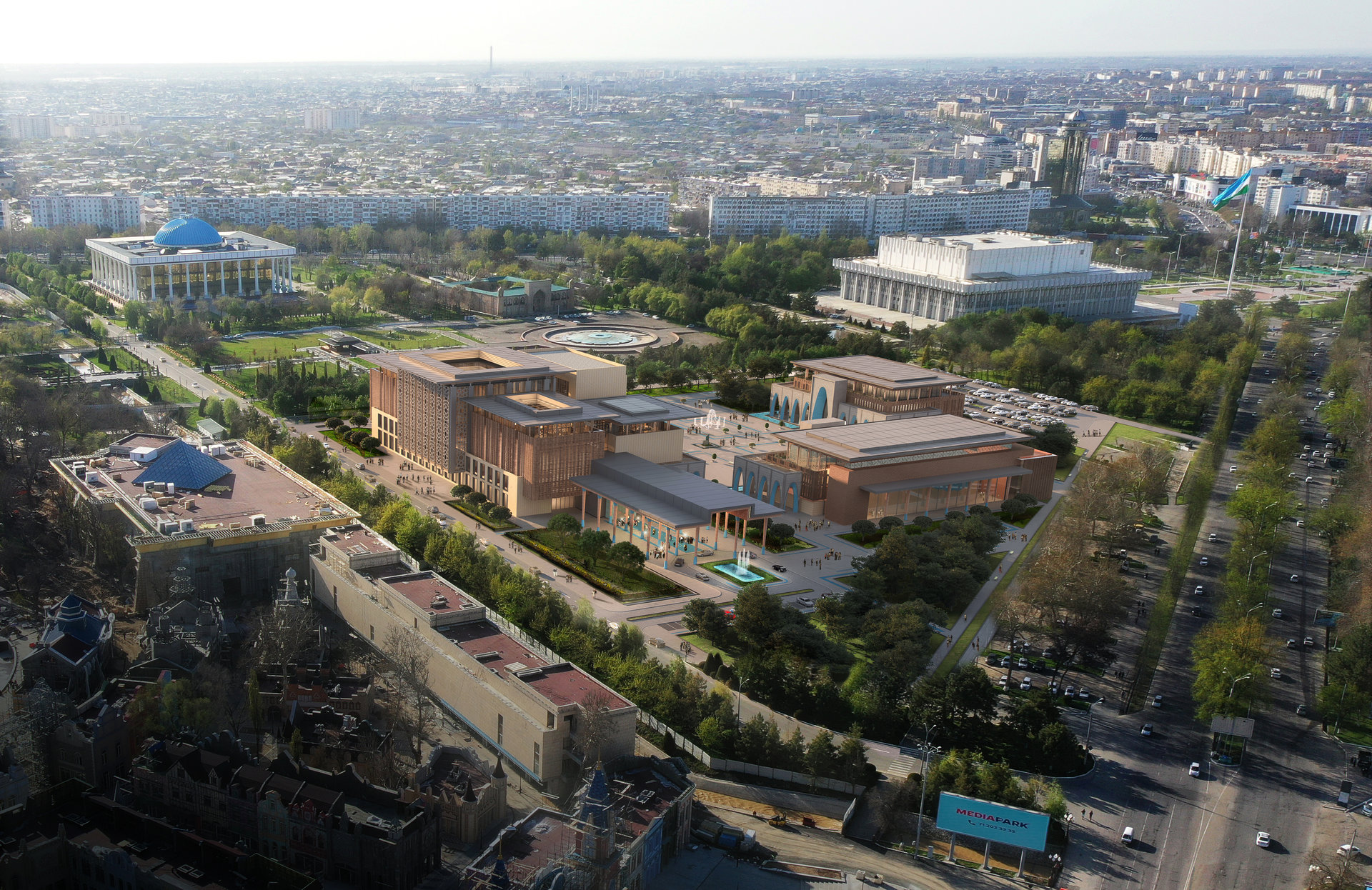
Located in Tashkent, the Uzbekistan National Library Project is envisioned as a landmark cultural institution that combines architectural heritage with a forward-looking spatial vision. Featuring a monumental entrance and an intuitively planned interior, the building prioritizes circulation, energy efficiency, and user experience at every scale.
Massing and Spatial Strategy
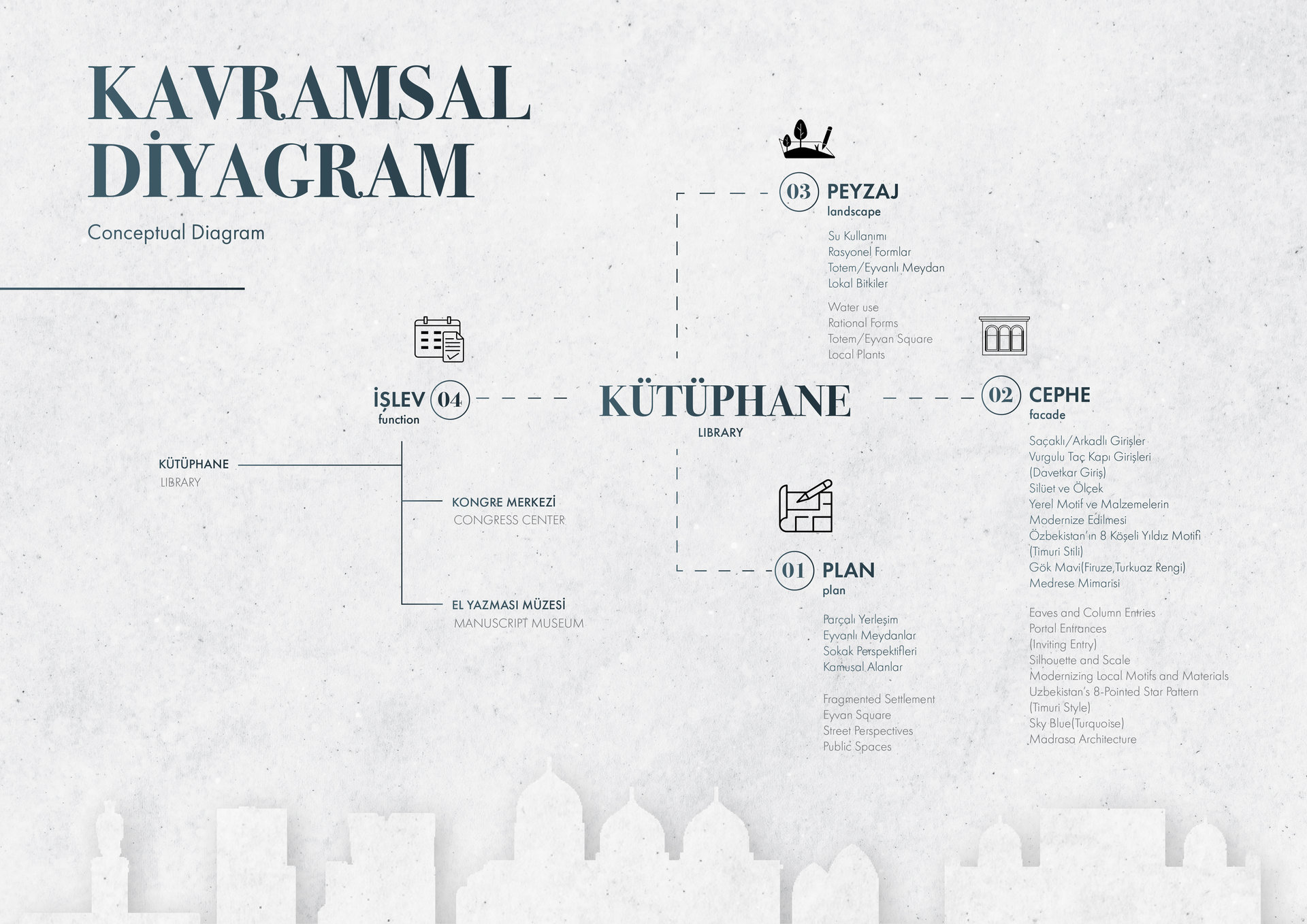
The massing concept is rooted in three key strategies:
- Eyvan Courtyard Composition – Inspired by the historical squares of Samarkand, the library incorporates a central courtyard surrounded by buildings. This space serves as a shared public forum, with all main entrances oriented toward this communal heart.
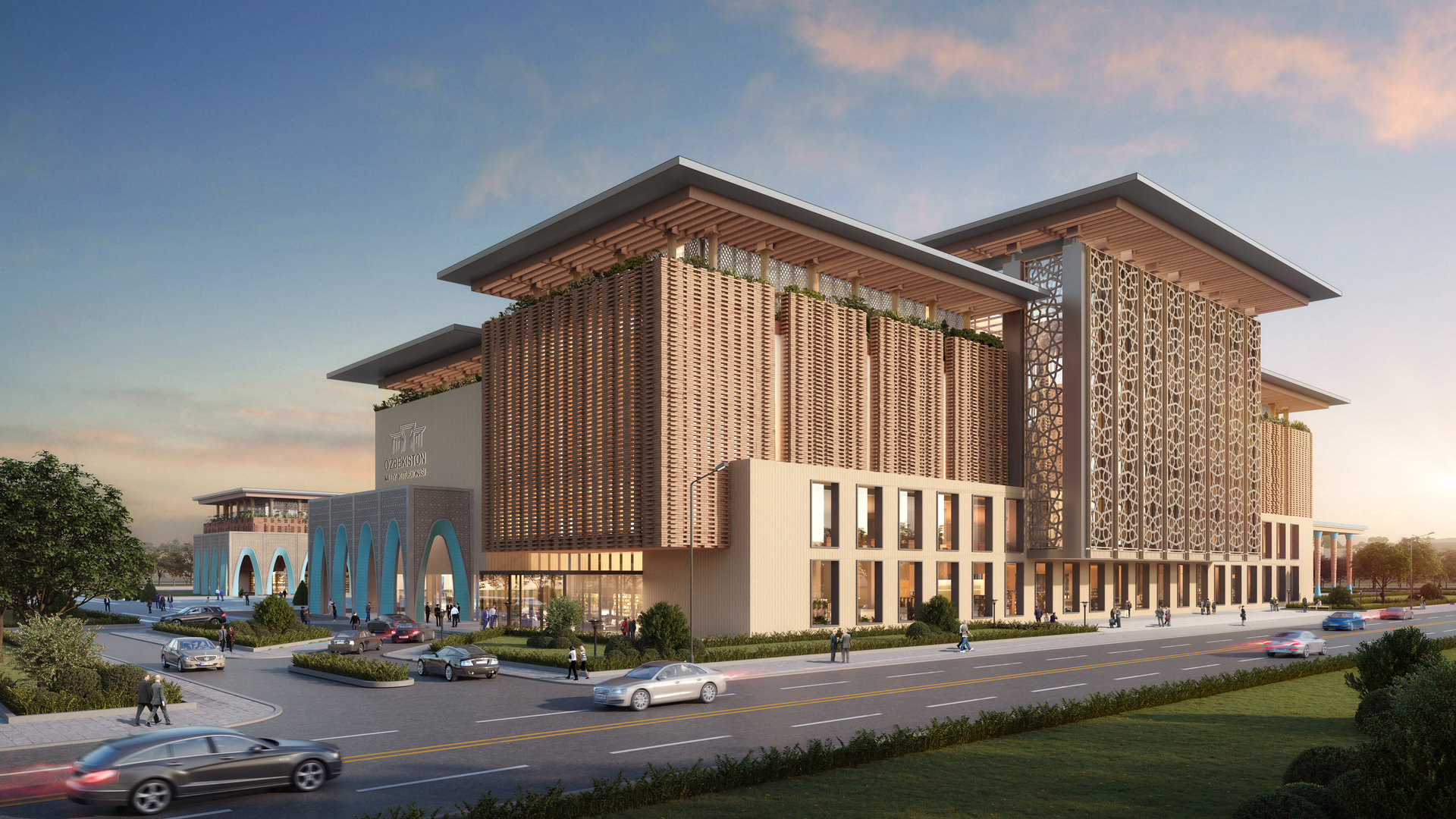
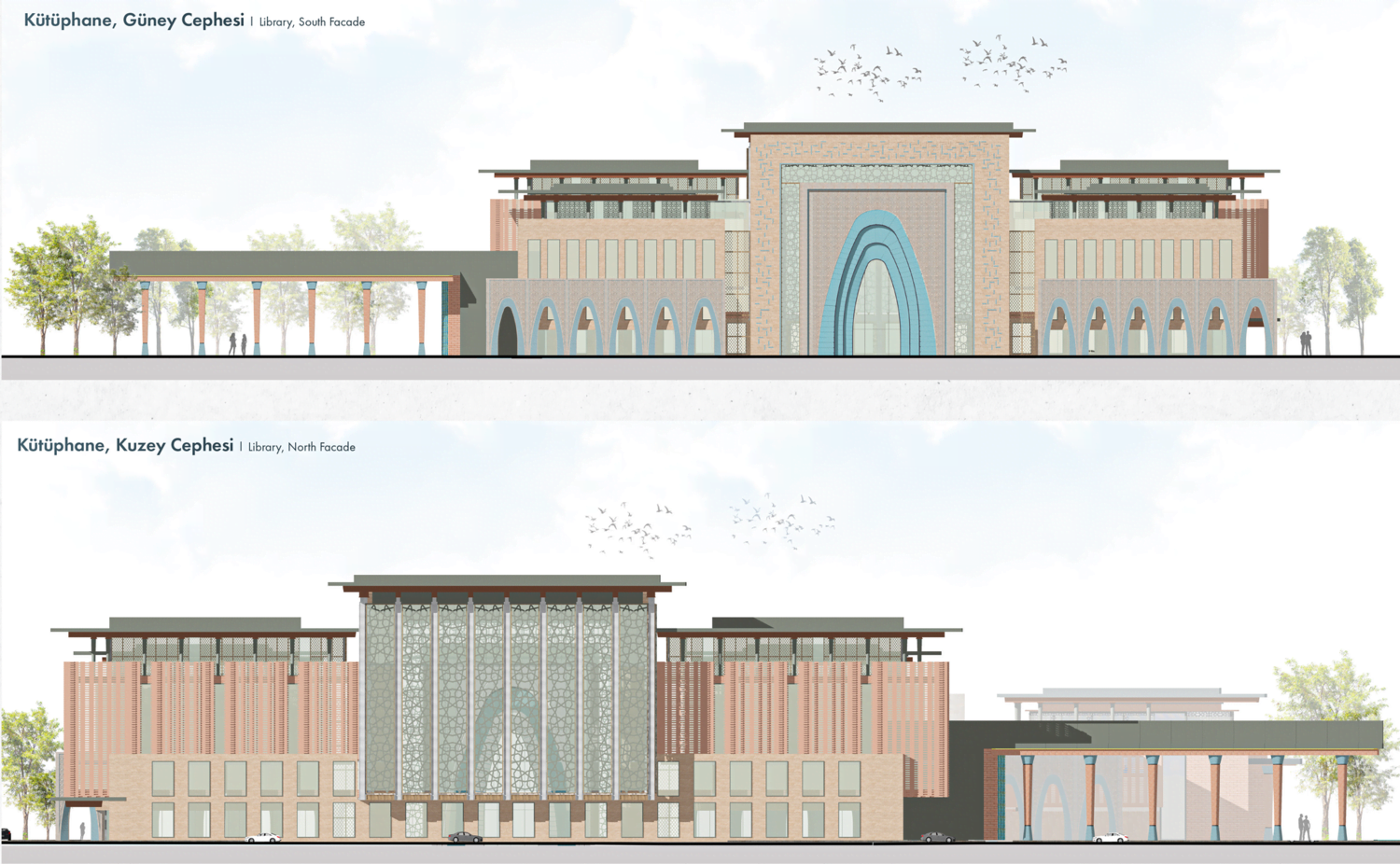
- Fragmented Layout – Echoing the architectural texture of Bukhara, the design employs a fragmented layout in which each building mass is articulated separately. This approach accommodates diverse functions and ensures optimal access to natural light.
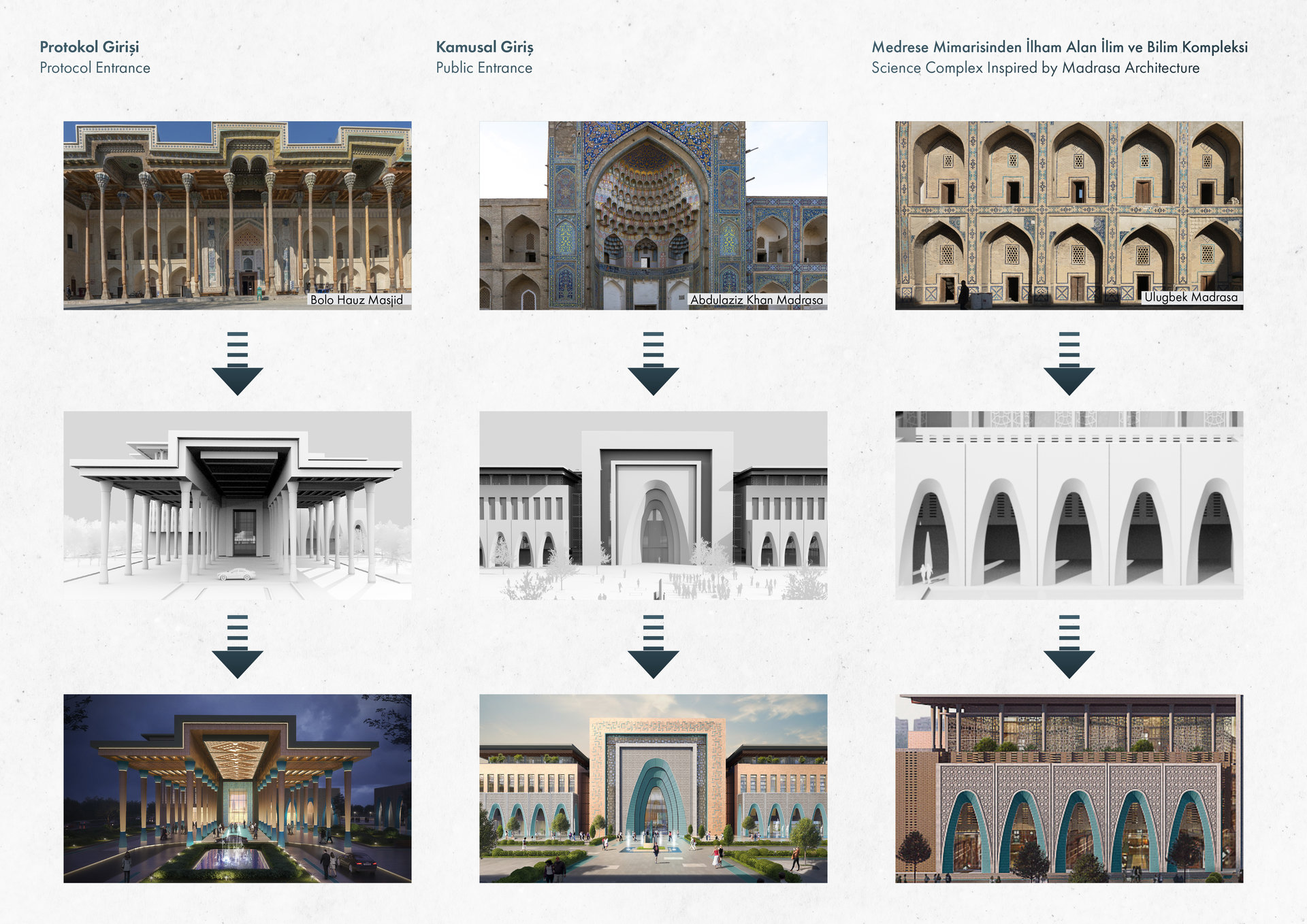
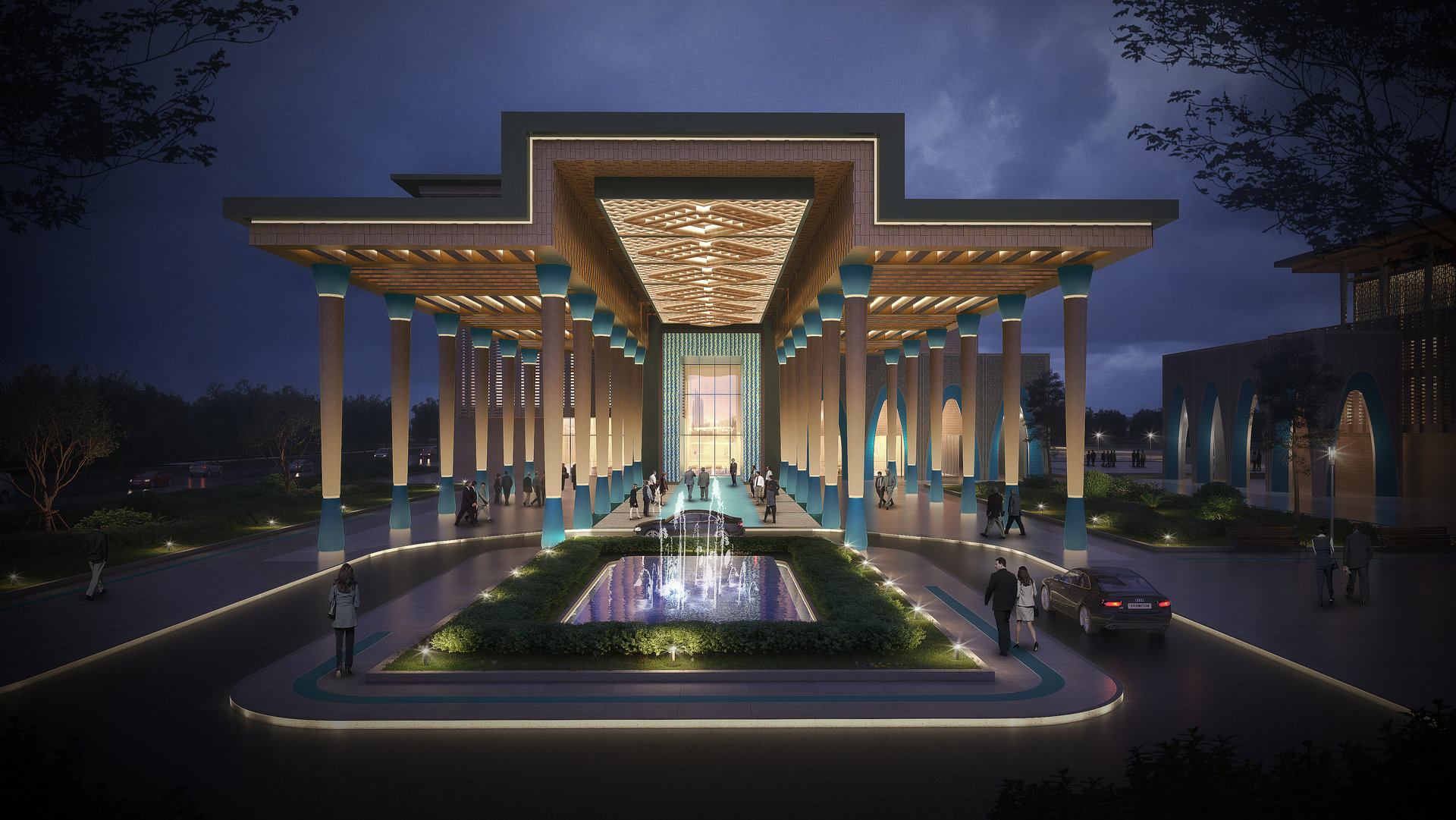
- Solid-Void Balance – The design reflects a careful reading of Uzbekistan’s urban and landscape context. Semi-open spaces mediate the transition between enclosed and open areas, while facade proportions draw from the historical architectural language of Uzbek cities.
Facade and Cultural References
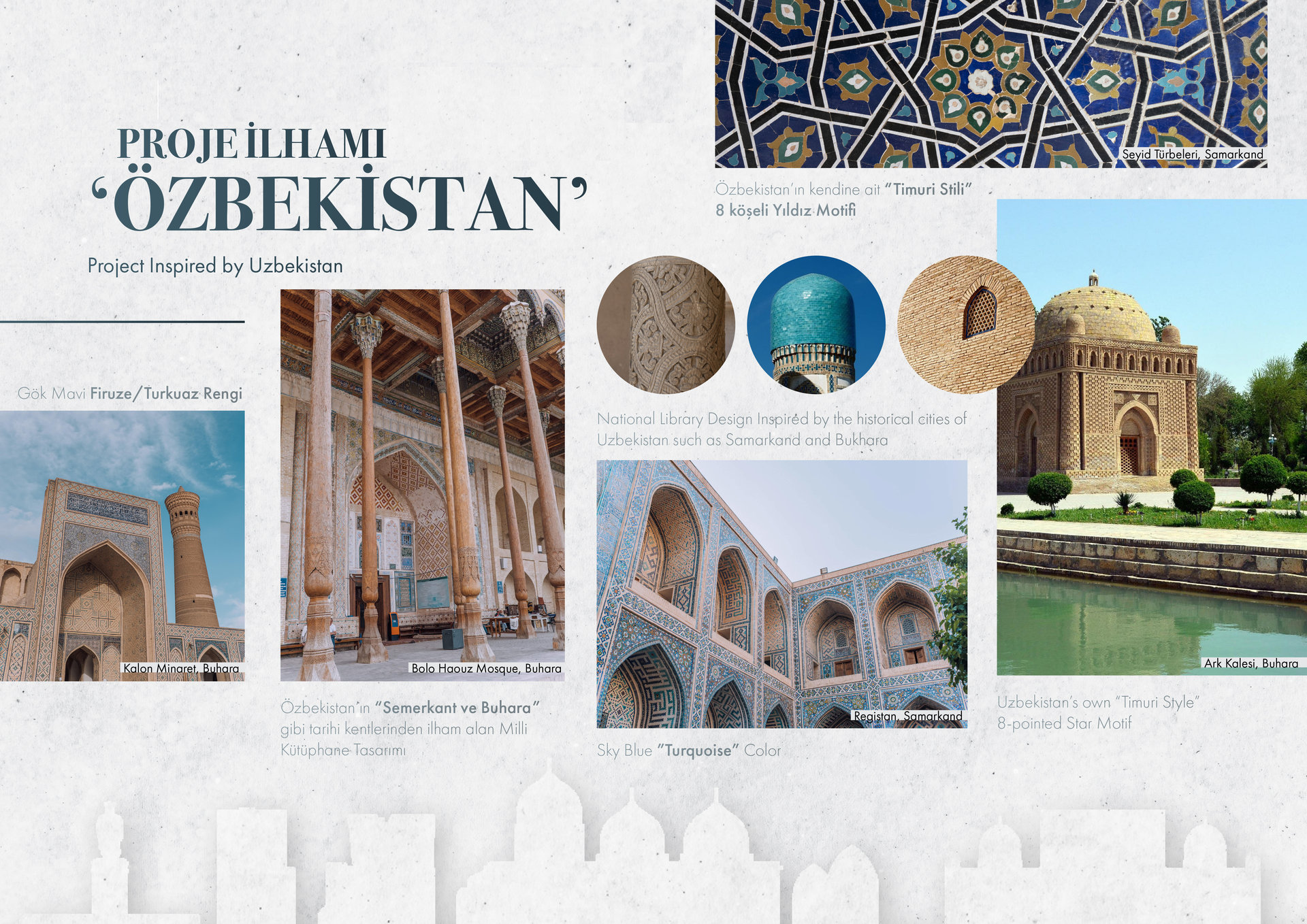
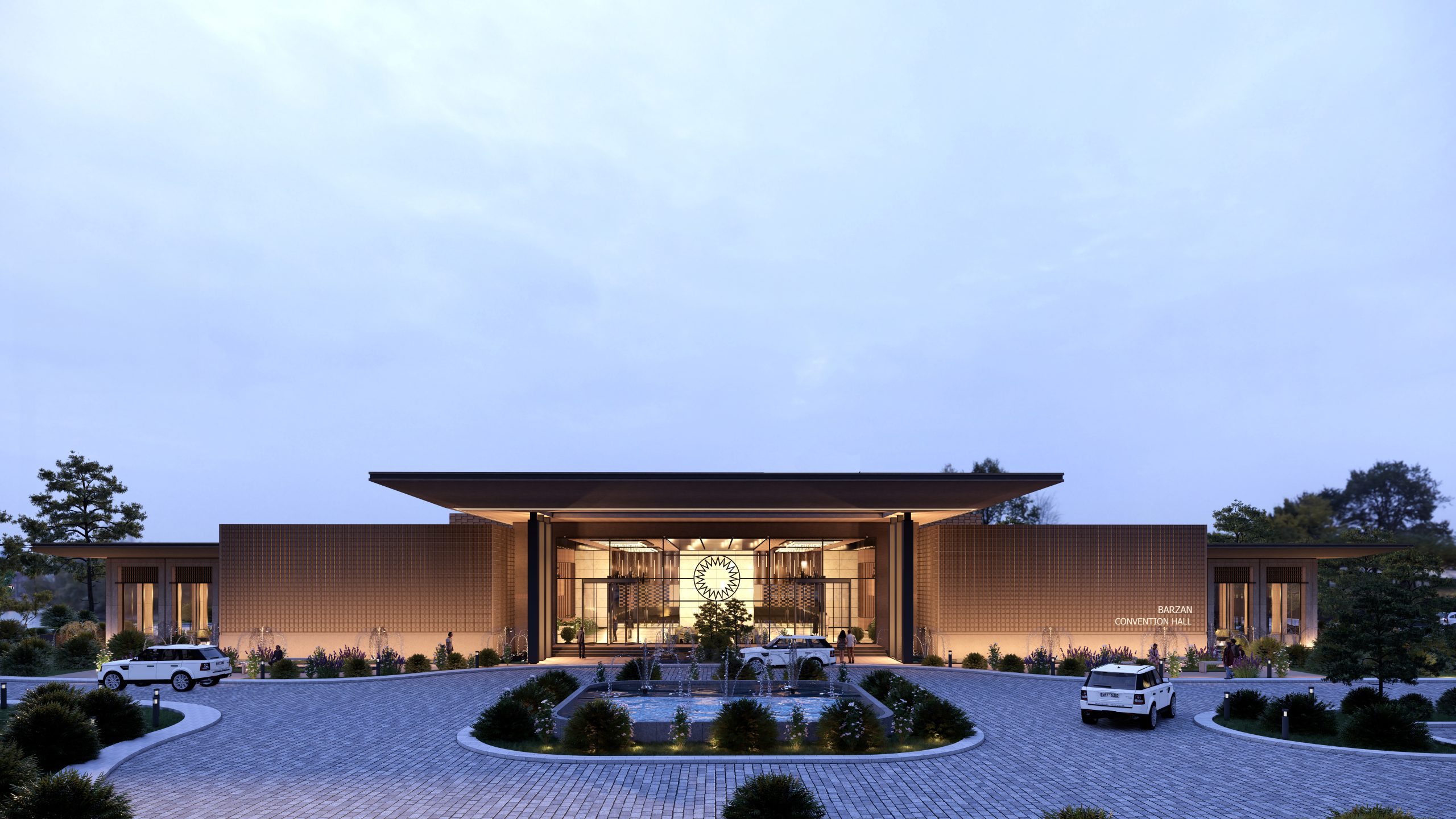
The facade design pays homage to Uzbekistan’s symbolic and material culture. It features reinterpretations of the eight-pointed star, the turquoise palette, and abstracted local motifs, implemented with contemporary fabrication techniques. These design gestures establish a dialogue between identity and innovation.
Conclusion
The Uzbekistan National Library stands not only as a repository of knowledge but also as a civic symbol reimagining the values of place, culture, and public space through architecture.
Gallery